
Road markings are painted on the road surface, and they carry the same legal weight as upright signs. The exam often shows a marking and asks what you may or may not do.
The basics: you may cross a broken line when it is safe, but not a solid line. A solid line next to a broken line applies only to the side it is on. Yellow edge lines mark the edge of the road and the shoulder. Stop lines and yield lines show exactly where to stop or give way, and painted islands are areas you may not drive on or stop in. Arrows and painted words show which lane leads where and who a lane is reserved for.
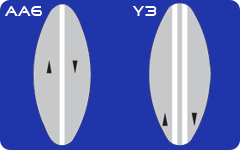
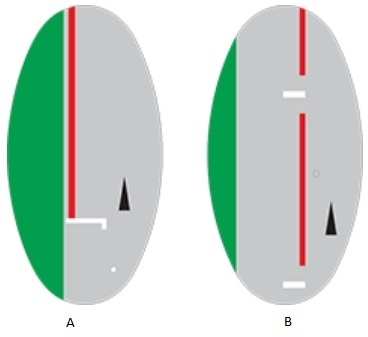
AA6 shows you that you may not overtake other vehicles, while Y3 as well shows you that and you may not driveover it to turn into a yard or anything else.
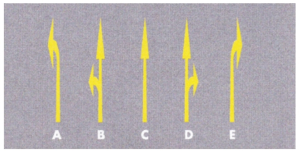
Can turn left or move straight on if it is safe.
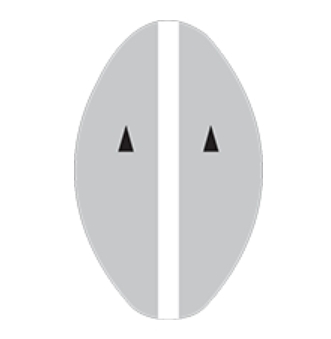
Channelizing line.
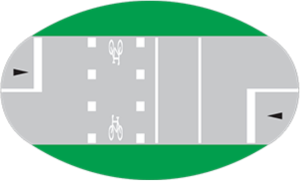
Cyclists crossing or who want to cross the road.
Do not drive or park on this painted island.
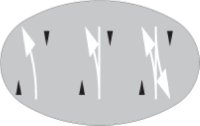
Do not overtake other vehicles.
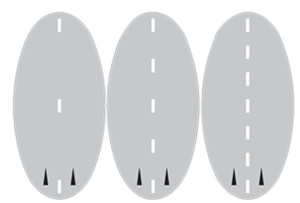
Drive in the centre of your demarcated lane.
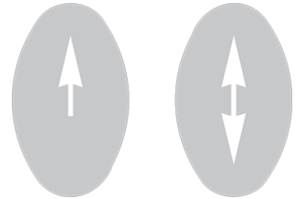
Drive only in the direction indicated by the arrow.
Except in any emergency, do not stop at these lines. In the case of a broken line, you may not stop during the times indicated by a road traffic sign.
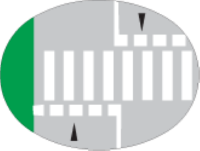
Give right of way to pedestrians crossing the road or wanting to cross the road.
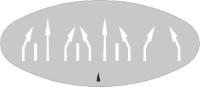
Giving warning that traffic lanes are reduced from the right, left or both sides.

Goods vehicles that load and unload.
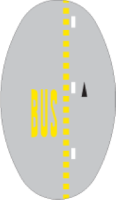
If you are not driving a bus, do not drive in the lane indicated by the marking.
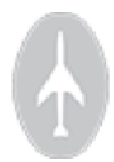
It is a lane that leads to the airport.
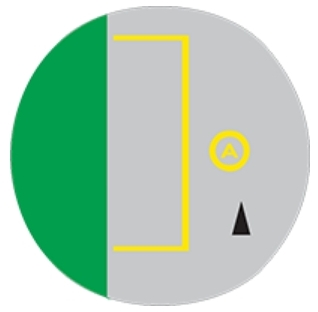
It's a parking bay for ambulances.
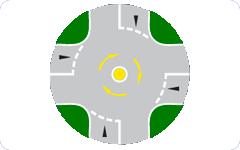
May drive on if you were the first vehicle over the line.
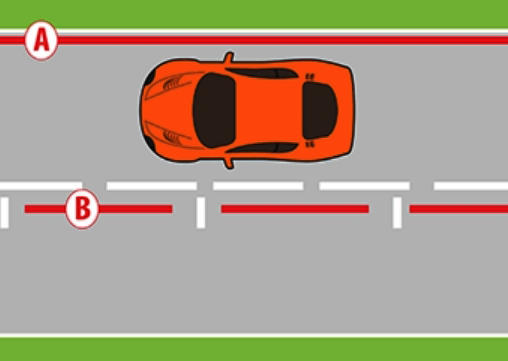
May not park there at all.
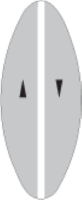
No overtaking.
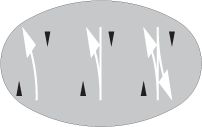
No Overtaking line is going to begin which prohibits you from crossing.
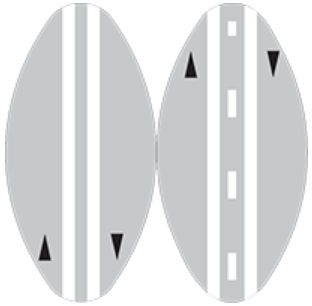
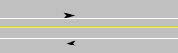
Where you see it: on any road with two-way traffic.
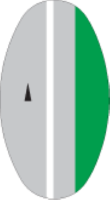
Where you see it: on one-way roads such as dual-carriageways or freeways to indicate the right edge line.
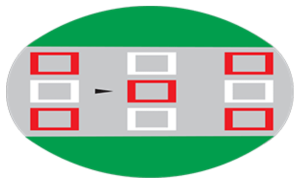
Only drive into this arrestor bed when your brakes fail.
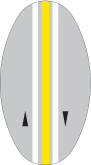
Painted island drive in such a way that you do not stop, park or drive.
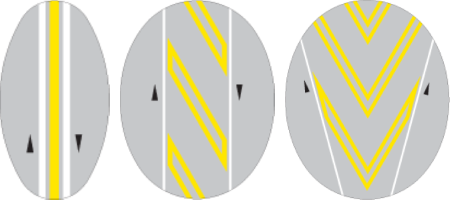
Painted island where you are not allowed to drive on or stop.
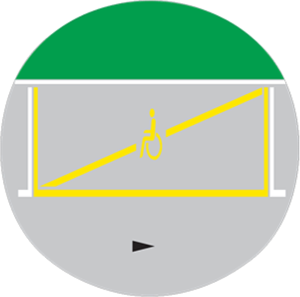
Parking bay is reserved for the handicapped only.
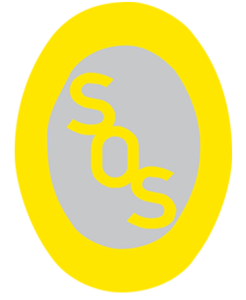
Road marking for an emergency (SOS) area: you may stop or park here only in an emergency.

Road marking: this part of the road is reserved for buses.

Road marking: this part of the road is reserved for minibuses.

Road marking: this part of the road is reserved for rickshaws.

Slow down there’s a school or stop sign ahead.
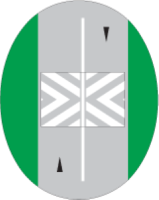
Speed humps ahead, slow down.
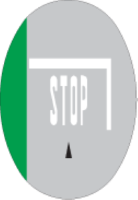
STOP painted on the road: stop at the stop line.
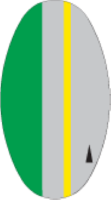
The shoulder of the road.

There is a level crossing with one railway line ahead.
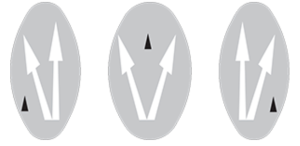
They are indicating an increased in the number of lanes ahead.
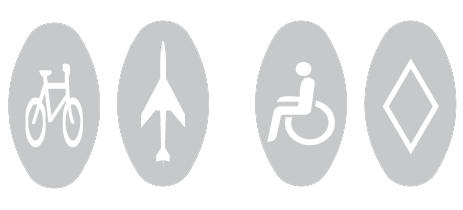
This area is reserved for cyclists only or disabled person’s vehicle only or road that leads to an airport.
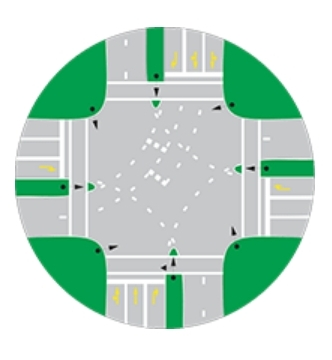
To guide you to follow the correct route in the intersection (guiding lines).

To indicate the presence of a raised sidewalk or island kerbing.
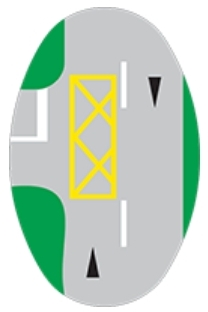
To prohibit drivers from stopping in the demarcated area because this could prevent other traffic from turning or driving further forward.
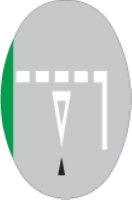
Yield to all users of the road and possibly also trains.

Yield to other traffic.
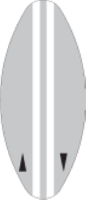
You may not allow any part of the vehicle to cross the line at any time.
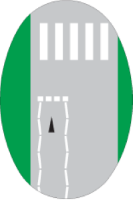
You may not stop or park within these areas and pedestrians have complete right of way.
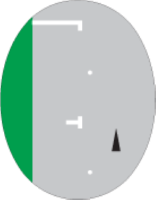
You may park your vehicle here.
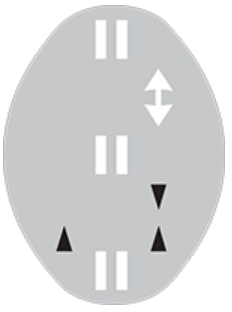
You should be on the lookout for approaching vehicles.
Think you know them?
The learners test has 28 road sign questions and you need 23 right. Test yourself on a shuffled set.